Galveston Island State Park: A Visitor’s Guide to Beaches, Birding, and Bayside Trails
Stand at the right spot in Galveston Island State Park and you can hear two different soundtracks at once. On one side, the Gulf rolls in with that steady, foamy hiss, and someone’s kid is shrieking at a cold wave. Turn around, walk a few minutes across the low dunes and prairie, and the noise drops away to almost nothing. A great blue heron freezes in the shallows of the bay, one leg lifted, waiting out a fish. Same park, same afternoon, two completely different moods.
That split is the whole point of this place. Roughly 10 miles down the West End on FM 3005, the park straddles the island so it touches the Gulf of Mexico on the south and West Galveston Bay on the north. Most visitors think of it as a beach, then discover the quiet marsh side and end up spending half the day back there with a pair of binoculars. Here is how to make the most of both halves, plus the practical details worth sorting out before you go.
The Short Answer Galveston Island State Park is a two-sided coastal park on the island’s West End, about 10 miles down FM 3005. The Gulf side is for swimming, beachcombing, and shelling. The quieter bay side is for kayaking a protected paddling trail, birding, and easy marsh trails. It sits on the Great Texas Coastal Birding Trail, with more than 300 recorded species. Entrance runs about $5 per adult per day, and children 12 and under are free. Day-use reservations are highly recommended in busy months, and the flat, mild layout suits families well.

One Park, Two Very Different Halves
Galveston Island State Park is really two parks sharing one entrance road. The southern half is a wide, open Gulf beach. The northern half is bay shoreline, salt marsh, and low coastal prairie laced with trails and paddling routes. FM 3005 runs between them, so you can shift from surf to marsh in the time it takes to refill a water bottle.
The beach side took the brunt of Hurricane Ike back in 2008 and spent years under reconstruction. It reopened in 2022 with a grand celebration the following spring, and the rebuild brought elevated, storm-smart facilities: a new headquarters and nature center, fresh campsites, day-use shade shelters, restrooms, observation towers, boardwalks, and kayak launches. The bay side kept doing what it has always done best, offering quiet water and some of the finest birding on the upper Texas coast. Knowing which half you want on a given day is the key to planning a good visit.
| If you want to… | Head to the… | Good to know |
|---|---|---|
| Swim, splash, and beachcomb | Gulf (beach) side | Open sand, gentle slope, day-use shelters. No boardwalk-style Seawall crowds out here. |
| Kayak calm, protected water | Bay side | Sheltered bayous and coves behind a breakwater, ideal for beginners. |
| Watch birds and wildlife | Bay side | Marsh, prairie, and an observation tower. The bay half has the most sightings. |
| Walk easy nature trails | Both, mostly bay side | Flat, well-marked loops from short strolls to a few miles. |
The Gulf Side: Swimming, Beachcombing, and Shelling
The Gulf side is a classic Texas beach day without the boardwalk energy of the Seawall in town. The sand runs wide and flat, the water warms up nicely from late spring through early fall, and there is enough room to spread out a couple of chairs and an umbrella without setting up in someone’s lap. Because it sits down the West End rather than in the middle of town, this stretch tends to feel calmer, which is exactly why a lot of families choose it over the busier in-town beaches.
Beachcombing is half the fun here. The tide line delivers a steady supply of coquina clams, moon snails, whelk shells, and the occasional sand dollar, and low tide after a breezy night is the best time to hunt. Bring a mesh bag for finds and a pair of water shoes for the shell fragments. A good rule of thumb: this beach is not staffed with lifeguards the way the Seawall is, so keep young children within arm’s reach, watch the surf, and note any posted flag color before you wade in. Pack your own shade, since the day-use shelters go fast on summer weekends.
The Bay Side: Kayaks, Paddling, and Quiet Marsh
Cross to the bay side and the whole feeling changes. The water goes glassy and still, the horizon fills with marsh grass, and the loudest thing around is usually a splash of a mullet or the creak of your own paddle. The park anchors the Galveston Island State Park Paddling Trail, a set of marked routes through the bayous and coves along West Galveston Bay, much of it tucked behind a breakwater that keeps the chop down. That protection is what makes this such a friendly spot to try kayaking for the first time.
There are three marked routes to choose from, so you can match the paddle to your energy and experience:
| Paddling route | Approx. distance | Best for |
|---|---|---|
| Dana Cove | About 2.6 miles | A shorter, sheltered loop and a relaxed first outing |
| Jenkins Bayou | About 2.8 miles | Quiet bayou paddling with good wildlife odds |
| Oak Bayou | About 4.8 miles | A longer route for paddlers who want more time on the water |
You can bring your own kayak or canoe and launch from the park. The park also keeps kayaks on hand and runs guided tours on a first-come basis, with group and private outings available by calling ahead, so you do not have to own gear to get out on the bay. Whatever you paddle, wear a life jacket, check the wind before you push off (a stiff south wind can turn an easy loop into a workout), and give the marsh grass and the birds a respectful berth. Many visitors find an early-morning paddle, before the breeze picks up, is the prettiest hour out there.

Birding on the Great Texas Coastal Birding Trail
If you only know this park as a beach, its birding reputation will surprise you. Galveston Island State Park is an official stop on the Great Texas Coastal Birding Trail, cataloged as upper-coast site UTC 070, and more than 300 bird species have been recorded within its boundaries. The mix of salt marsh, seagrass flats, freshwater ponds, and coastal prairie packs a lot of habitat into a small footprint, which is why so many different birds turn up.
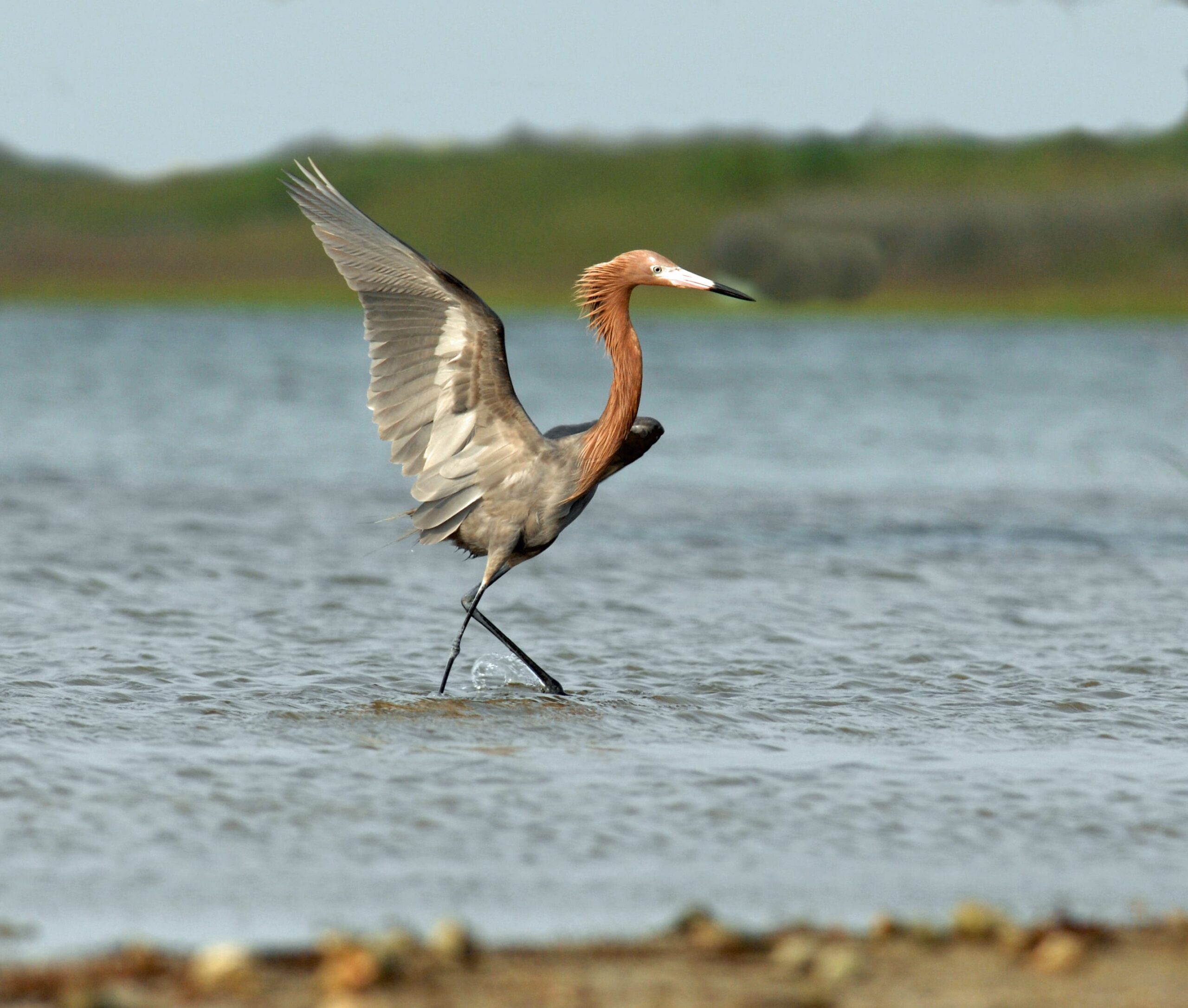
On a typical walk you might spot great blue herons and snowy egrets stalking the shallows, white ibis probing the mud, and, if you are lucky, the flash of pink that means a roseate spoonbill is nearby. Gulls and terns work the shoreline, and raptors like northern harriers and white-tailed kites hunt over the prairie. The observation tower on the bay side gives you a raised vantage over the water birds, and the nature trail is well worth walking with binoculars in hand. Spring migration, roughly March into May, is the marquee season, when tired songbirds drop in off the Gulf, and mild fall days are a close second. To go deeper on where and when to look, our guide to wildlife watching in Galveston is a good companion read.
Nature Trails and Easy Hikes
The park’s trail network is flat, well-marked, and genuinely easy, which makes it approachable for almost everyone, from toddlers to grandparents. The 2022 rebuild added roughly five miles of trail on the beach side, and the bay side carries the classic marsh-and-prairie routes. Distances run from a quick leg-stretch to a few miles, so you can dial the effort up or down.
The short Heritage Trail, around a third of a mile, is a gentle introduction with interpretive signs, while the Prairie Trail runs closer to three and a third miles for those who want a longer wander through coastal grassland and wetland. Boardwalks carry you over the softer ground, and observation points give you reasons to pause and actually look. There is no real elevation to speak of, so the main things to plan for are sun and bugs rather than terrain. If your crew likes to keep moving, our overview of hiking around Galveston rounds up more island walks to pair with a park visit.
Fishing the Bay and Surf
Anglers get two very different fisheries in one park. The bay side offers calm-water wade fishing and bank access for redfish, speckled trout, and flounder, while the Gulf side lets you cast into the surf for whatever is running. The shallow, grassy bay flats are especially good for sight-casting to redfish, and the whole setup is forgiving enough for a family that wants to try saltwater fishing without booking a charter.
A few practical notes keep it simple. Most anglers age 17 and up need a Texas fishing license with a saltwater endorsement, which is quick to buy online or at local tackle and bait shops before you go. Barbless or de-hooking tools make catch-and-release easier on the fish, and it is worth checking current size and bag limits, since those change. For gear tips and other spots around the island, see our guide to fishing in Galveston.
Planning Your Visit: Fees, Hours, and What to Bring
The practical basics are refreshingly simple. Entrance runs about $5 per person per day for adults and teens, and children 12 and under get in free, which makes a park day one of the better-value outings on the island. The park is open daily for day use, generally from early morning into the evening, and it fills up on warm-weather weekends and holidays. Because the park often reaches capacity, Texas Parks and Wildlife highly recommends reserving a day pass in advance during busy stretches so you are guaranteed entry rather than turned away at the gate.
Reserve ahead On summer weekends and spring-migration mornings the park can hit capacity. You can reserve a day pass through Texas Parks and Wildlife to lock in your entry. Fees can change, so confirm the current amount when you book.
What you pack matters more here than at a groomed city beach, because you are dealing with sun, open water, and a marsh. Here is a quick starter list for a comfortable day.
| Bring | Why |
|---|---|
| Sun protection | Shade is limited on the trails and the beach. A hat, sunscreen, and a rash guard for kids go a long way. |
| Plenty of water | There is little shade on a hot day and you will be moving between the beach and the marsh. |
| Bug spray | The bay side is marsh, and mosquitoes can be enthusiastic, especially at dawn, dusk, and after rain. |
| Binoculars | The birding is the sleeper highlight. Even a cheap pair transforms the bay-side walk. |
| Water shoes and a mesh bag | For shell fragments on the beach and for carrying home your beachcombing finds. |
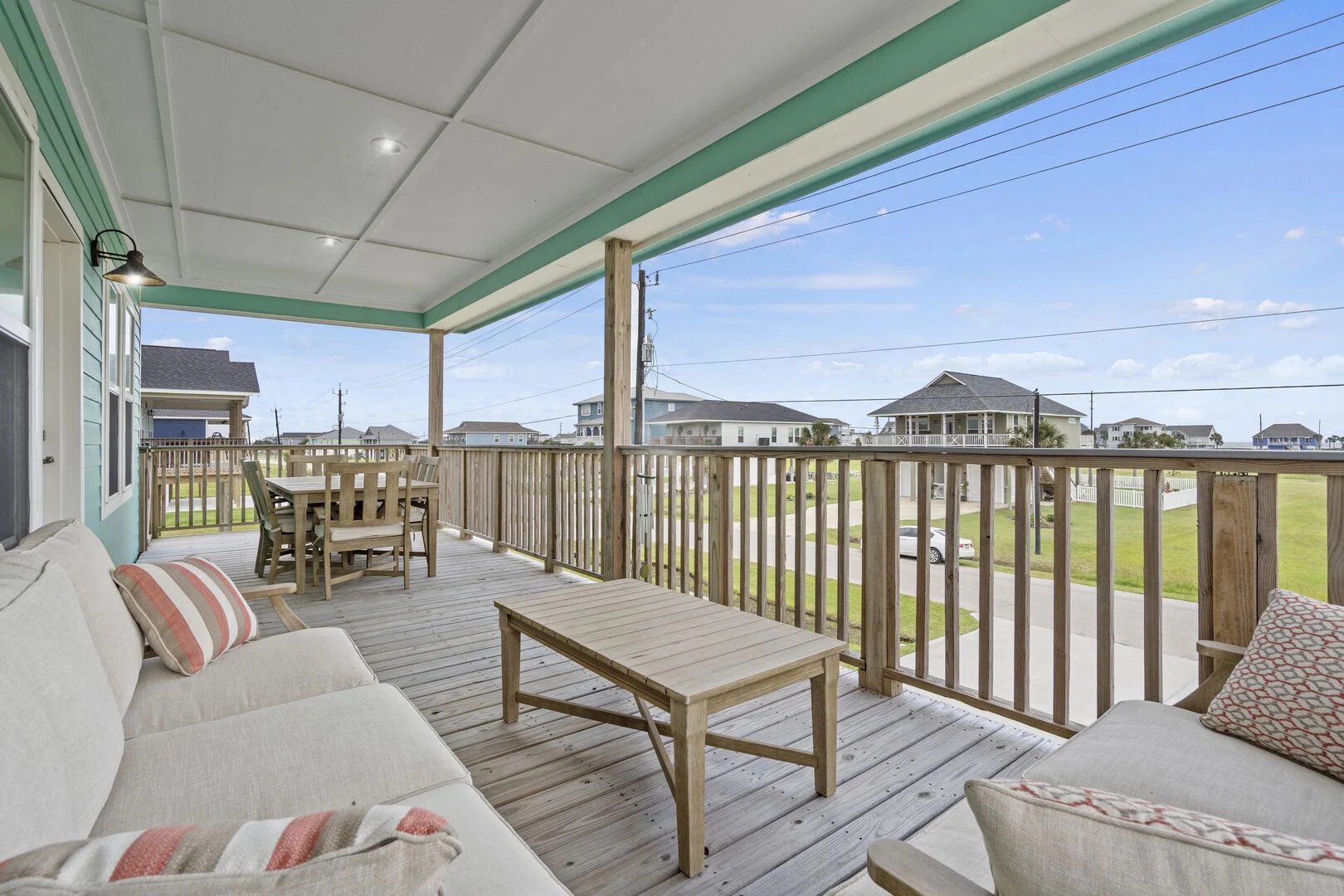
Is it good for families? Very much so. The trails are flat and short enough for little legs, the bay water is calm for a first paddle, the beach slopes gently, and the whole place runs at a slower pace than the in-town Seawall scene. Because the park sits down the West End, a West End vacation rental just up FM 3005 turns it into an easy morning-and-evening habit: swim and shell in the morning, head back for lunch and a nap out of the midday sun, then return for the golden-hour birding when the marsh comes alive. A place with a deck to rinse off and regroup makes the sandy, salty end of the day painless. For layouts with room for a mixed-age crew, browse our family-friendly Galveston rentals.
Looking for the quick overview and directions? The park also has a short listing on our Galveston Island State Park attraction page in the area guide.
Frequently Asked Questions
How much does Galveston Island State Park cost to enter?
Entrance runs about $5 per person per day for adults and teens, and children 12 and under are free. That covers day use of both the Gulf beach side and the bay side. Because the park often reaches capacity on warm-weather weekends and holidays, Texas Parks and Wildlife highly recommends reserving a day pass in advance so you are guaranteed entry. Fees can change over time, so confirm the current amount when you reserve.
Can you swim at Galveston Island State Park?
Yes. The Gulf side has a wide, gently sloping beach that is good for swimming and wading from late spring through early fall, when the water is warm. It is a calmer, more spread-out alternative to the in-town Seawall beaches. Keep in mind the park beach is not typically staffed with lifeguards, so watch young children closely, note any posted flag color, and keep an eye on the surf before you go in.
Is there kayaking, and can you rent a kayak there?
Yes. The bay side anchors the Galveston Island State Park Paddling Trail, with three marked routes through sheltered bayous and coves, much of it protected by a breakwater that keeps the water calm. You can bring your own kayak or canoe and launch from the park, and the park also keeps kayaks on hand and runs guided tours on a first-come basis, with group and private outings available by calling ahead. Wear a life jacket and check the wind before you paddle.
What birds can you see at the park?
More than 300 species have been recorded here, because the park mixes salt marsh, seagrass flats, freshwater ponds, and coastal prairie. Common sightings include great blue herons, snowy egrets, white ibis, and, if you are lucky, roseate spoonbills, along with gulls, terns, and raptors like northern harriers over the prairie. The park is an official stop on the Great Texas Coastal Birding Trail, and spring migration from roughly March into May is the standout season.
Is Galveston Island State Park good for families with kids?
Very much so. The trails are flat, short, and stroller-friendly in places, the bay water is calm enough for a child’s first paddle, and the beach slopes gently for easy wading. The pace is slower than the busy Seawall, and beachcombing and birding give kids something to hunt for. Bring sun protection, water, and bug spray for the marsh, and a day here is one of the more relaxed and affordable outings on the island.
When is the best time to visit?
It depends on what you came for. For birding, spring migration from about March into May is the highlight, with mild fall days a close second. For swimming and beach time, late spring through early fall brings the warmest water. Mornings are ideal year-round: the wind is usually calmer for paddling, the birds are active, and you beat both the midday heat and the weekend crowds. Reserving a day pass ahead helps on busy weekends.
Picture the end of a two-sided park day. Salt still on your skin from the Gulf, a mental list of the herons and spoonbills you spotted across the bay, and the West End sun dropping low over the marsh. Browse Stay Porter Texas West End vacation rentals just up FM 3005, and the park stops being a one-time outing and becomes an easy morning-and-evening habit for the whole trip.
Browse West End Vacation Rentals