Lake Livingston State Park: Trails, Paddling, Wildlife, and Waterfront Days
Tall pines meet wide open water here, and that pairing is the whole appeal. You can walk a shaded loop where the loudest sound is a woodpecker working a dead snag, then be standing at the end of a fishing pier ten minutes later, watching the lake stretch out toward the far shore. The park sits at the edge of one of Texas’s biggest lakes, close enough to Livingston for a coffee run and far enough into the trees to feel like a proper escape.
It is the kind of place that rewards an easy pace. Families spread a blanket under the pines and let the afternoon drift. Paddlers slip out of a quiet cove at first light. Birders park themselves at a blind and wait. This guide walks through what there actually is to do, what it costs, whether you need to book ahead, and how to fold a park day into a longer stay on the lake.
The Short Answer Lake Livingston State Park is a roughly 635-acre Pineywoods park on the shore of Lake Livingston, about an hour and a half north of Houston. You can hike or bike more than five miles of easy trails, paddle a kayak, fish from a lighted pier or the bank, swim in the lake, and watch for herons, ospreys, and eagles. Recently, day entry ran about $6 per adult with kids 12 and under free, and the park was open daily from 6 a.m. to 10 p.m. The park fills up, so reserve a day pass or campsite ahead through TPWD, and bring your own kayak, since the park no longer rents watercraft.

What You’ll Find at the Park
Lake Livingston State Park is a compact, easygoing park, about 635 acres, set on the wooded southeastern shore of Lake Livingston in Polk County. It opened in 1977 and sits near the town of Livingston, roughly an hour and a half north of Houston. This is the southern edge of the Pineywoods, so the setting is loblolly pines, hardwoods, and Spanish moss rather than open prairie, with the lake glinting through the trees at the edge of it all.
Because the park is modest in size, you can sample most of it in a single day without feeling rushed. The main draws cluster into a few categories: trails for hiking and biking, paddling and boating access, a fishing pier plus bank and boat fishing, a lake swimming area, and some of the best casual birding in the region. There is a park store for last-minute supplies, picnic areas and a pavilion, restrooms with showers, and a boat ramp. It is a friendly first state park for anyone new to the idea, and a reliable repeat visit for families who already know the drill.
Trails Through the Pineywoods
The park has more than five miles of trails, and all of them are open to both hikers and bikers, which makes route-mixing easy. Nothing here is strenuous, so this is gentle, shaded walking rather than a workout. A good rule of thumb: if you want one signature stroll, make it the Pineywoods Boardwalk Trail, a short loop of just under a mile with a raised boardwalk over the wet woods and a bird blind partway around. For a little more distance, the Trinity Trace Trail runs a bit over two miles and links the different areas of the park, so it doubles as a handy way to get around on foot or bike.
Shorter connectors fill in the map, so you can stitch together a lazy half-hour amble or a longer morning without ever feeling lost. One honest note worth setting straight: the trails here are built for hiking and biking, not horseback riding, so leave the horses at home and plan on two feet or two wheels.
Paddling and Kayaking
Paddling is one of the loveliest ways to experience the park, especially early when the water is glassy and the coves are quiet. Kayaks, canoes, and paddleboards all work well in the sheltered water near the day-use area and the main cove by the park store, which is where many first-timers like to start before venturing toward more open water.
One important planning note: the park no longer rents watercraft directly, so the simplest plan is to bring your own kayak or paddleboard. A self-service kayak rental has operated near the day-use area at times, but availability changes, so do not count on it. If paddling is the centerpiece of your day, pack your own boat and life jackets and you will not be disappointed. As always on open water, a life jacket for every paddler is the easy call, and it is smart to keep an eye on the wind, since a big lake can build a chop in the afternoon.
The Fishing Pier and Swimming
The waterfront is the heart of a park day. There is a lighted fishing pier plus plenty of bank access, and you can also fish from a boat if you bring one. Anglers pull catfish, bass, and crappie from the lake, and the park keeps fish-cleaning stations on site for anyone who wants to take a cooler home. New to fishing or traveling light? The park has offered a Tackle Loaner Program, which is a friendly way to let kids try casting without buying gear, so ask at the park store about current availability.
Swimming happens in the lake itself, as there is no pool. Many families wade in along the shoreline near the day-use area. There are no lifeguards, so this is old-fashioned keep-an-eye-on-the-kids swimming: life jackets for the little ones and weaker swimmers, and a close watch near the drop-offs. On a hot Texas afternoon, that cool lake water is exactly what everyone is after.
Good to know If you are also bringing a boat, the park has boat ramps and a dock for launching, but you will need to supply your own vessel. Verify current ramp and pier conditions with the park before a big boating day, since water levels and access can shift.
Wildlife and Birding
This is quietly one of the best casual birding spots around, and you do not need to be a serious birder to enjoy it. The mix of pine forest, wetland edges, and open lake pulls in a wide range of birds. Great blue herons stalk the shallows, ospreys and even bald eagles patrol over the water, and woodpeckers and songbirds keep the woods busy. The bird blind along the Pineywoods Boardwalk Trail is the easy win: sit still for a few minutes and let the birds come to you.
Beyond birds, the park is full of small, low-key wildlife encounters, turtles sunning on logs, deer slipping through the trees at dusk, the general hum of a healthy Pineywoods forest. Bring binoculars if you have them, keep a respectful distance, and let the kids do the spotting. It turns an ordinary walk into a treasure hunt.

Day Trip or Overnight Stay?
You can absolutely do this park as a day trip, and many visitors do. A day pass gets you the trails, the pier, the swimming area, paddling, and the birding, which is a full and satisfying day for most families. If you want to camp, the park offers a range of overnight options, from full-hookup RV sites to water-and-electric sites and screened shelters tucked into the pines.
Here is the honest trade-off, laid out simply.
| Option | Best for | Keep in mind |
|---|---|---|
| Day use | A trails-and-water day, first-time visitors, anyone based nearby | Reserve a day pass ahead; the park often reaches capacity on nice weekends |
| Camping / screened shelters | Traveling with gear, RV owners, campers who want to wake up in the pines | Book well ahead in peak season; you handle setup, meals, and packing up |
| Nearby lakehouse + day visits | Groups and families who want beds, a kitchen, and space to spread out | A short drive to the park, plus a comfortable home base to return to |
There is no wrong answer. It comes down to how much you enjoy setting up camp versus coming back to a real shower and a comfortable bed after a day outdoors.
Fees, Hours, and Reservations
Plan on a small daily entrance fee and a reservation, especially in busy months. Recently, day entry ran about $6 per adult, with children 12 and under free, and the park was open daily from 6 a.m. to 10 p.m. Fees and hours can change, so treat these as a guide rather than a promise and confirm the current numbers before you go.
The single most useful piece of advice: reserve ahead. The park notes that it often reaches capacity and recommends reservations for both camping and day use, so booking a day pass in advance is the difference between a smooth arrival and being turned away at the gate on a sunny Saturday. You can reserve a day pass or a campsite through the official Texas Parks and Wildlife reservation system. That is the one link worth clicking before your trip; everything else you can sort out on arrival.
Best Seasons and What to Bring
Spring and fall are the sweet spots. Mild temperatures make the trails a pleasure, the birding is excellent, and the crowds are thinner than at the height of summer. Summer is prime time for swimming and paddling, just plan around the midday heat by getting on the water early and retreating to the shade in the afternoon. Even winter has its quiet charm for a bundled-up walk and some cool-weather fishing.
A short packing list keeps a park day easy:
- Water and snacks, plus a cooler if you plan to fish or picnic
- Sun cover: hat, sunscreen, and sunglasses for the open water
- Bug spray, since the Pineywoods can get buggy near the wetlands
- Life jackets for anyone paddling or swimming
- Your own kayak, canoe, or paddleboard if you want to get on the water
- Binoculars for the bird blind and closed-toe shoes for the trails
Good for Kids and Dogs?
Yes on both counts. The gentle trails, the boardwalk, the fishing pier, and the shallow swimming area add up to a genuinely kid-friendly day, and the loaner tackle makes a first cast easy. Nothing here demands long legs or serious endurance, which is exactly what you want with young children.
Dogs are welcome in the park’s outdoor areas too. The standard state-park rule applies: keep pets on a leash (generally six feet or shorter) and clean up after them, and note that pets are not allowed inside park buildings. A leashed dog will love the shaded trails as much as the kids do. Bring water for the pup and you are set.
Pairing a Park Day With a Lakehouse
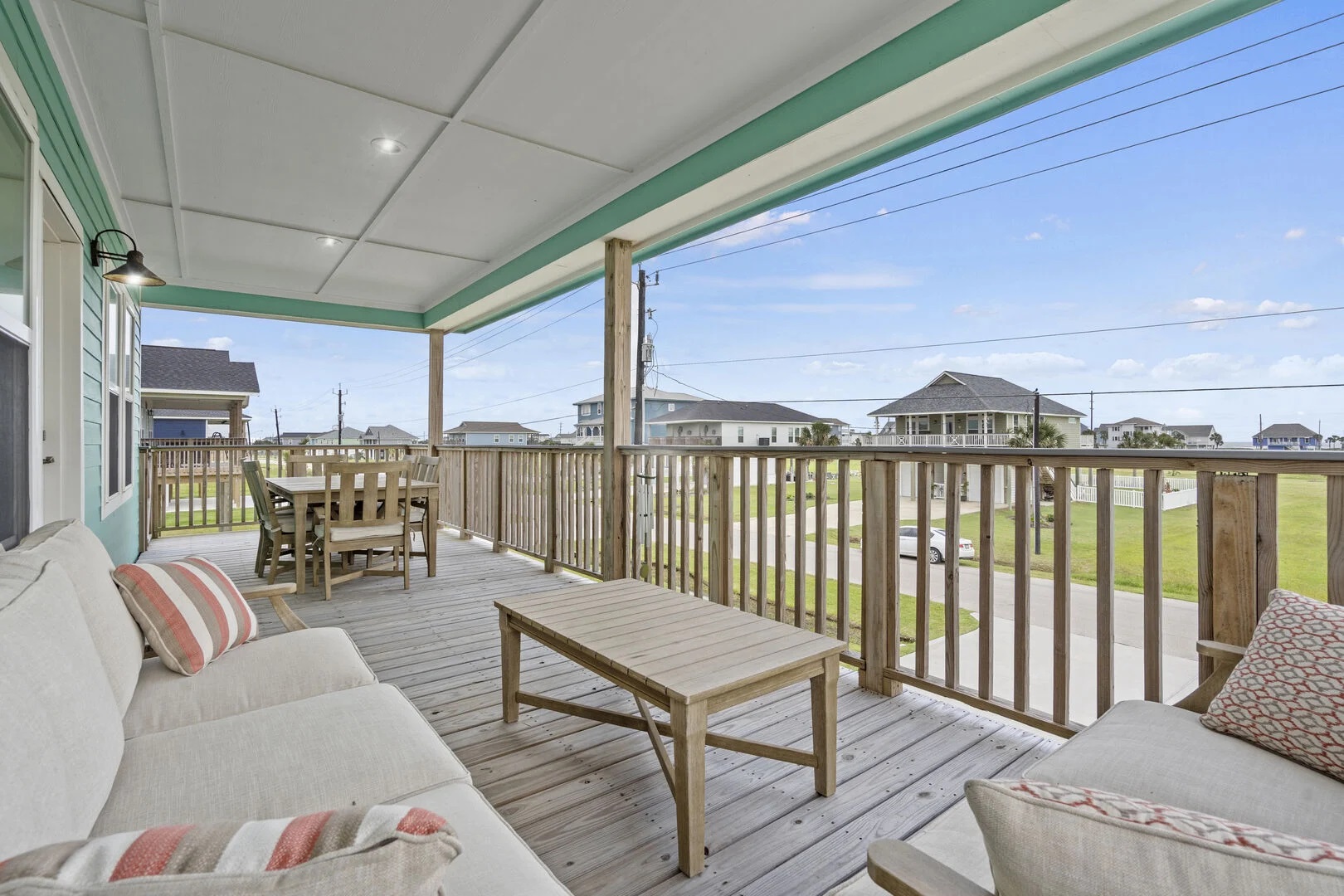
The nicest way to do this park is to treat it as one great chapter of a longer lake stay rather than a one-and-done outing. Base yourself at a nearby lakehouse and a full park day ends the way it should: a short drive back, a hot shower to wash off the pine sap and sunscreen, and a real kitchen for dinner instead of a camp stove. There is room to spread out, a deck to regroup on, and no tent to strike in the morning.
That rhythm suits groups and families especially well. Spend the morning on the trails and the pier, come back to a comfortable lakehouse on Lake Livingston for lunch and a rest, then head back out for an evening paddle or an easy sunset walk. If you would rather keep it simple, browse the full range of Stay Porter Texas lake rentals near Livingston and pick a place with the space and water access your crew wants.
Frequently Asked Questions
What is there to do at Lake Livingston State Park?
Plenty for an easy outdoor day. You can hike or bike more than five miles of shaded Pineywoods trails, paddle a kayak or canoe, fish from a lighted pier, the bank, or a boat, swim in the lake, and watch for herons, ospreys, and eagles from a bird blind. There are picnic areas, a park store, and campsites too, so it works as either a day trip or an overnight stay.
Do you need a reservation for Lake Livingston State Park?
It is strongly recommended. The park often reaches capacity and advises reserving both day passes and campsites in advance, so booking a day pass ahead of a weekend visit is the safest bet. You can reserve through the official Texas Parks and Wildlife reservation system online. Walk-ups are sometimes possible on quieter days, but do not count on it during spring, summer, or holidays.
How much is the entrance fee and what are the hours?
Recently, day entry ran about $6 per adult, with children 12 and under free, and the park was open daily from 6 a.m. to 10 p.m. Fees and hours can change over time, so treat those numbers as a guide and confirm the current details with Texas Parks and Wildlife before you go. Reserving a day pass in advance is the smoothest way in.
Can you swim and kayak at Lake Livingston State Park?
Yes to both. Swimming is in the lake itself, since there is no pool, typically along the shoreline near the day-use area, and there are no lifeguards, so keep a close eye on kids and use life jackets for weaker swimmers. Kayaking, canoeing, and paddleboarding are excellent in the calm coves near the day-use area, especially early in the day before any afternoon wind picks up.
Does the park rent kayaks or boats?
No, the park no longer rents watercraft, so the simplest plan is to bring your own kayak, canoe, or paddleboard. A self-service kayak rental has operated near the day-use area at times, but availability changes and is not guaranteed. If you plan to boat, there are ramps and a dock for launching, but you will need to supply your own vessel. Pack life jackets for everyone on the water.
Is Lake Livingston State Park good for families and dogs?
Very much so. The gentle trails, the boardwalk with its bird blind, the fishing pier, and the shallow swimming area make for an easy, low-stress day with kids, and loaner tackle helps first-time young anglers. Leashed dogs are welcome in the park’s outdoor areas (generally a six-foot leash, and not inside buildings), so the whole family, four-legged members included, can come along.
Trade the tent for a deck. After a day of pine-shaded trails, a paddle in a quiet cove, and a heron or two, the best ending is a short drive back to a comfortable place to land, wash off the pine sap, and watch the lake go quiet at dusk.
Browse Lake Livingston Vacation Rentals